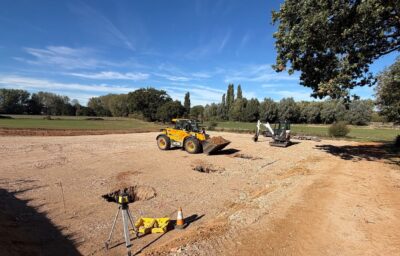
Not Every Farm Building Needs Planning Permission: A Guide to Temporary and Moveable Structures
Many farmers assume that any new structure on agricultural land automatically requires planning permission. In reality, a wide range of temporary and moveable buildings, from field shelters to portable stores, can often be erected without going through a full planning application. As farm businesses diversify and adapt to seasonal demands, understanding which structures qualify for this flexibility has become increasingly important. Getting it right can save significant time and cost, while getting it wrong can lead to enforcement action.
What Counts as a Temporary or Moveable Structure?
Temporary and moveable structures typically include field shelters, livestock shelters, portable stores, polytunnels, shipping containers used for storage, and mobile units that are not fixed to permanent foundations. The key factor that planning authorities look at is whether the structure is genuinely temporary and capable of being removed, rather than a permanent addition to the land. Structures that can be dismantled or relocated within a short period, and that do not involve substantial groundworks, are far more likely to fall outside the scope of full planning control. However, the specific use, size, and siting of the structure all affect whether it qualifies.
When Permitted Development Rights Apply
Permitted development rights allow certain agricultural buildings and structures to be erected without a full planning application, provided specific conditions are met. For genuinely temporary structures, such as those needed for a particular event, seasonal use, or short-term storage, rules often allow a building to remain in place for up to 28 days a year without permission, provided it is removed afterwards. Moveable structures such as field shelters and mobile livestock housing may also fall outside full planning control if they are not permanently fixed to the ground and can be relocated. Larger or more established agricultural buildings may still benefit from permitted development rights under separate rules, but these usually come with restrictions on floor area, height, and proximity to residential property. It is always worth checking the specific criteria that apply to your holding, as agricultural permitted development rights vary depending on the size of the unit and its planning history.
What This Means for Your Farm Business
Even where a temporary or moveable structure does not need full planning permission, farm businesses should not assume it is entirely free of regulation. Building regulations may still apply depending on the structure's size and intended use, particularly if people will be working inside it regularly. Environmental permits could be required for structures used to house livestock or store certain materials, and structures placed close to residential boundaries can still attract complaints or enforcement scrutiny even where planning permission is not technically needed. It is also worth notifying your local planning authority informally in borderline cases, since a written confirmation that permission is not required can protect you if the position is ever challenged later. For farm businesses relying on seasonal storage or diversification projects, building this kind of certainty into your planning early on avoids costly disruption further down the line.
Farming in the North East? Find out how we help farmers with farm planning in the North East, including Northumberland.
Read next: our agricultural permitted development guide, plus New Farm Yards and Hardstanding: What Farmers Can Lay Under Permitted Development and Fence Heights and Permitted Development Rights for Farms.
How Foxes Rural Can Help
Navigating the line between permitted development and full planning permission can be difficult to judge with confidence, especially when a structure's use or siting sits in a grey area. Our team at Foxes Rural works closely with farm businesses across the region, drawing on hands-on planning experience, to help you assess whether your proposed structure qualifies for permitted development rights or whether a formal application is the safer route. We can also help you document your position clearly, so you have a record to rely on if it is ever questioned. If you are planning a temporary or moveable structure and want reassurance before you build, call us on 01206 481981 or get in touch via our Contact page to talk through your plans.