Can You Put a Mobile Home on Your Farm Land? Planning Rules Explained
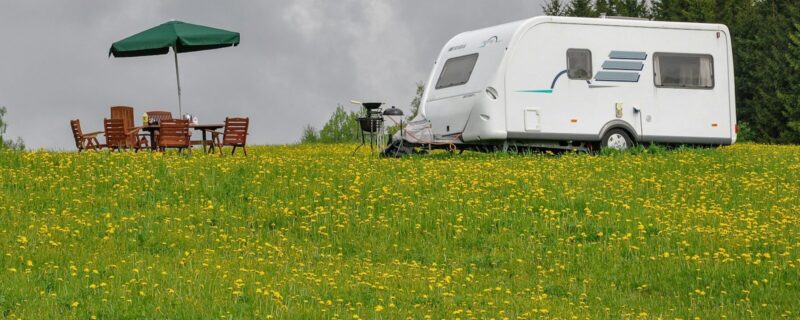
More farmers are asking whether they can live on their own land in a mobile home or caravan. It might be a son or daughter coming home to take on the farm, a worker who needs to be on site for calving, or a new enterprise that cannot yet support a house. With house prices out of reach for many young farmers, a mobile home looks like a quick answer. The planning rules are stricter than most people expect, and getting them wrong can lead to enforcement action against your home.
When a mobile home on farm land needs planning permission
Parking a caravan on a field is one thing. Living in it is another. Using farm land as a place to live is a change of use, and in most cases that needs full planning permission from the council.
A caravan used as part of an existing farmhouse, such as an extra bedroom in the garden, is not usually treated as a separate home. Once someone lives in it as their own household, the council will normally see it as a new home in the countryside.
Moving in first and asking later is risky. For breaches since 25 April 2024, the council has up to 10 years to take enforcement action.
The routes that can work
Seasonal and forestry workers
Some caravans do not need a full planning application:
- Seasonal farm workers: Part 5 of the General Permitted Development Order allows land to be used as a caravan site for people employed in farming operations on land in the same occupation, for a particular season. The caravans must go when the season ends.
- Forestry workers: similar rules apply to forestry work on the same land.
These rights are narrow. They do not cover a family member living on the farm all year round, or someone who works elsewhere.
A temporary home for a new farm business
Planning policy has long allowed new homes in the countryside where there is an essential need for a rural worker to live at or near their place of work. For a new farm enterprise, councils often grant a temporary permission for a mobile home first, while the business proves it is viable. If the enterprise succeeds, that can lead to a permanent agricultural workers dwelling.
The council will want to see why someone needs to be on site day and night, for example livestock that needs constant care, and a business plan showing the enterprise can grow.
Practical implications for farm businesses
- Do not move in before you have the right permission. A refusal or enforcement notice is far harder to deal with once a family is living on site.
- Keep records of the farm business: stock numbers, calving or lambing dates, accounts. They are the evidence a rural worker case is built on.
- Think about the long term plan. A temporary mobile home is usually the first step towards a permanent house, not the end point.
- If a caravan has been lived in for many years, a certificate of lawfulness may confirm it is now lawful.
For the wider picture, read our guide to planning permission on agricultural land. Our farm planning consultants in Somerset and across the UK help farmers make the case for a home on the farm.
How Foxes Rural Can Help
We tell you plainly whether a mobile home on your farm can work, and by which route. Then we build the rural worker case, prepare the application and manage it with the council from start to finish. Call Foxes Rural on 01206 481981 or get in touch.